Names and stories3 min read
An informal name poll can produce more selections than respondents when people choose several options. Before describing the result as a percentage of people, identify what was counted. A small fictional example makes the arithmetic clear and shows why a family poll can be interesting without representing a country, generation or future classroom.
Read the guide ↗
Names and stories3 min read
One parent remembers a name appearing in a letter; another remembers first discussing it on a walk. A family keepsake does not need to force those memories into one polished scene. Preserve each recollection with its speaker and uncertainty, letting the difference become part of the story rather than treating it as a dispute the child must eventually solve.
Read the guide ↗
Names and stories3 min read
A beautiful typeface can make particular letters difficult to distinguish, especially in a small keepsake or a photograph. Treat that as a design question rather than evidence that the chosen spelling is wrong. Compare a plain reference with the decorative version, preserving the actual characters while changing the presentation around them.
Read the guide ↗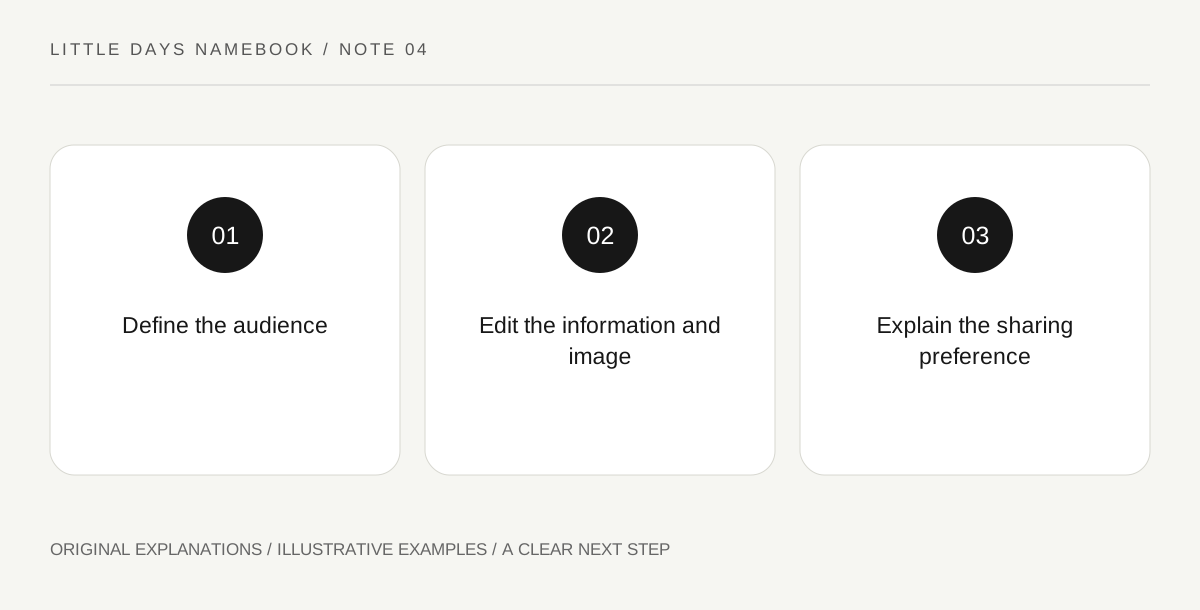
Family privacy3 min read
A message to close relatives and a public announcement do not need to contain the same details. Decide what each audience needs before adding a baby’s identifying information to a design. The result can express the family’s happiness while keeping care logistics and private records in channels intended for those purposes.
Read the guide ↗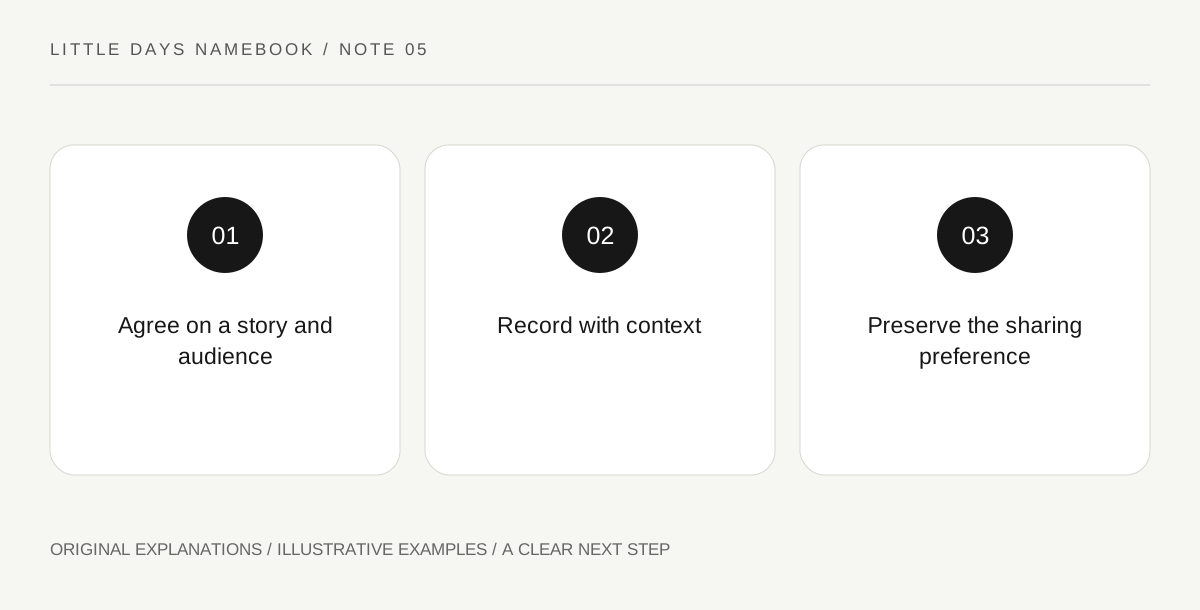
Names and stories3 min read
A family can preserve the sound of a naming memory without requiring a baby to appear, smile or produce a milestone. Invite willing adults to tell a short story in their own voices, then keep the recording with enough context to understand it later. The project concerns memory and permission, not a pronunciation test or a performance the child must supply.
Read the guide ↗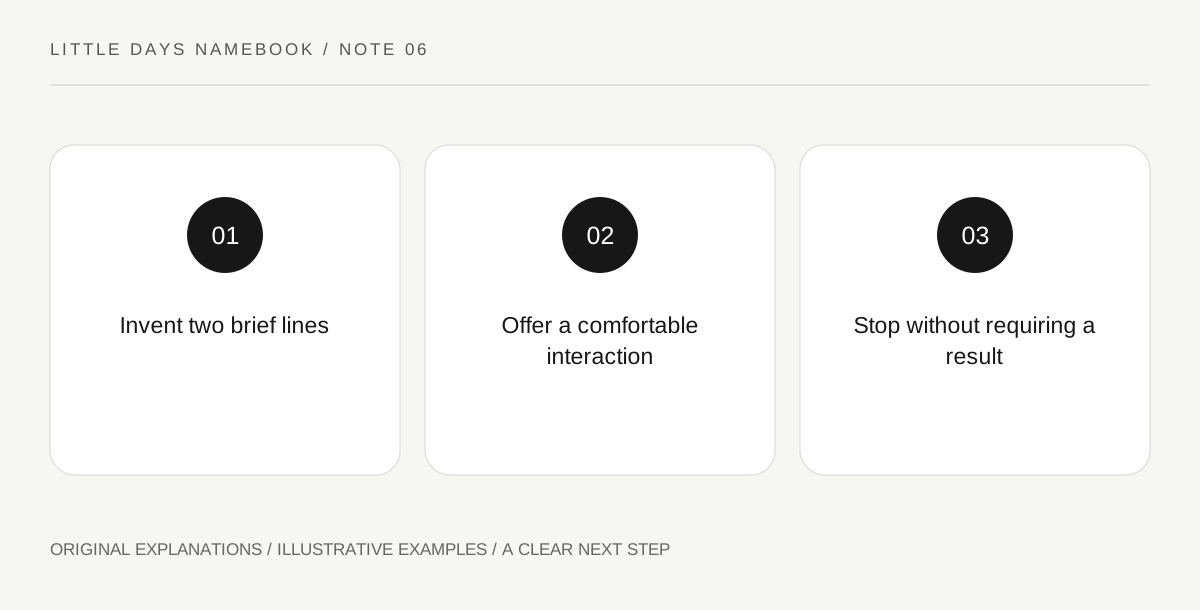
Names and stories3 min read
A family can invent a gentle little song around a baby’s name without turning it into a language lesson or a demand for a response. Keep the words simple, the interaction comfortable and the performance entirely optional. The useful project is an affectionate adult invitation, with no claim that a particular melody makes a baby recognize a name sooner.
Read the guide ↗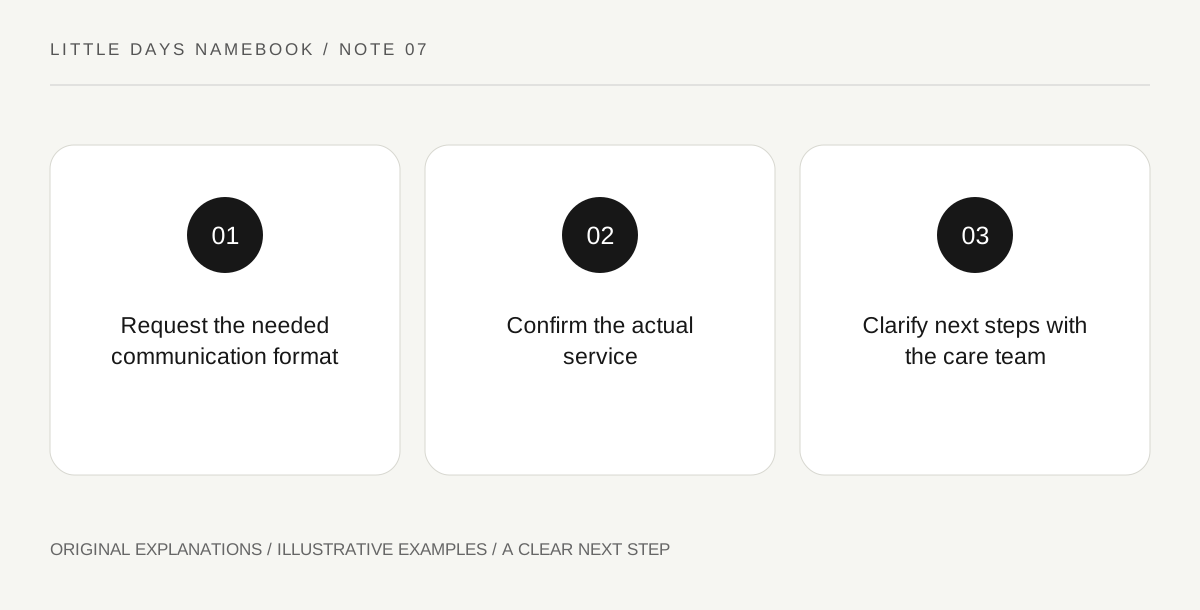
Care conversations3 min read
Understanding a baby’s care discussion is different from managing an ordinary conversation at a reception desk. If language support would help, ask the clinic how to arrange it before the appointment. A useful request states the caregiver’s communication needs and confirms the service, without assuming a relative, child or translation app can automatically fill a professional interpreting role.
Read the guide ↗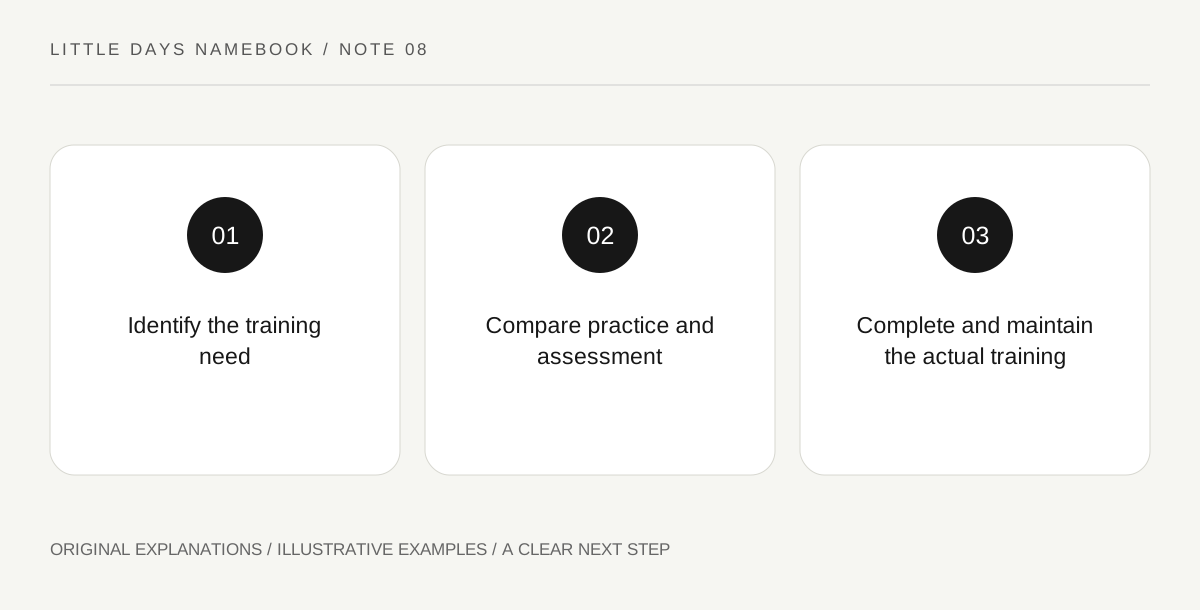
Care conversations3 min read
A course can teach a caregiver skills that a general planning article should not attempt to certify. When looking for infant CPR training, compare the exact course content, practice format and intended audience. The aim is to reach an appropriate training provider with clear questions, not to assume that watching any short video establishes readiness for an emergency.
Read the guide ↗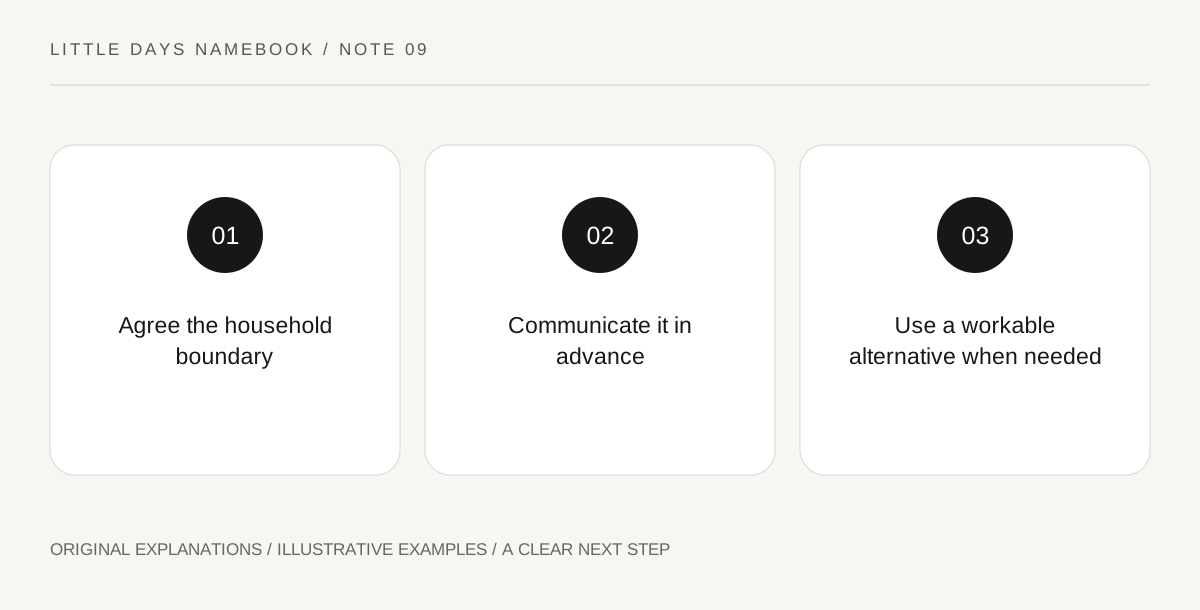
Everyday arrangements3 min read
A household boundary works better when visitors know it before arriving. For a home with a baby, communicate the smoke-free arrangement in plain terms and apply it consistently, including transport. The message can be respectful and firm without turning the doorstep into a debate about whether a window, another room or a brief exception changes the care plan.
Read the guide ↗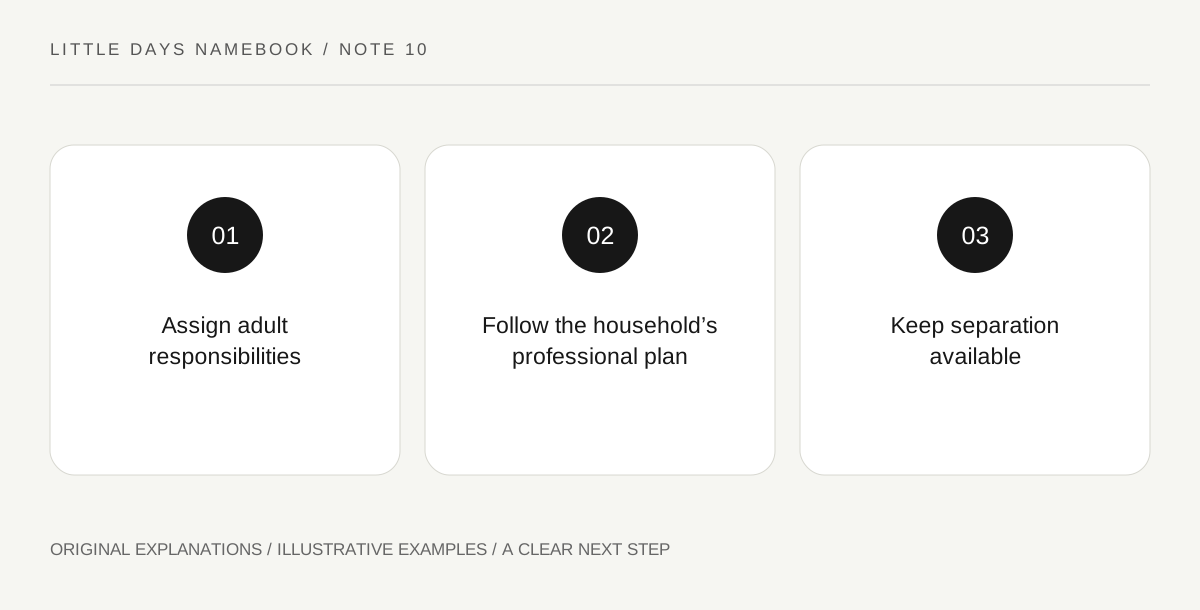
Everyday arrangements3 min read
A calm-looking pet and a sleeping newborn do not remove the need for deliberate adult supervision. Before a shared moment, decide who is attending to the baby and who is responsible for the animal. Keep the interaction optional and follow individualized professional advice, rather than staging a photograph that asks either the baby or pet to tolerate more than the situation supports.
Read the guide ↗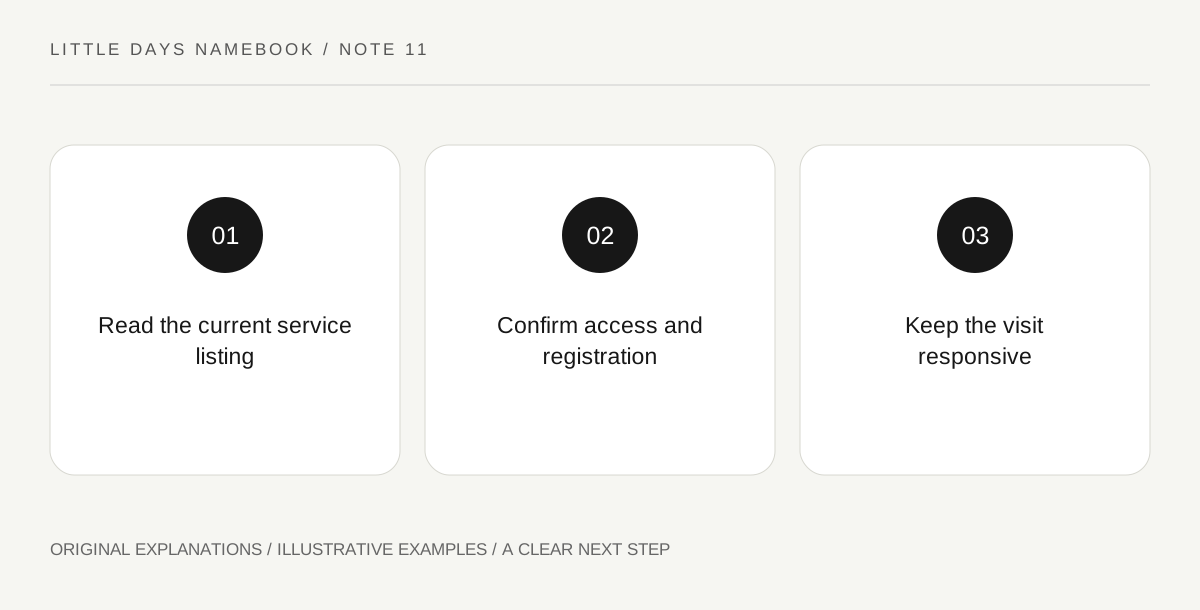
Everyday arrangements3 min read
Books and songs may be the appealing part of a library baby session, while registration, access and caregiver participation determine whether the outing works. Read those service details first. A manageable first visit can be brief and ordinary, without requiring a baby to sit through the whole program or making one reaction a verdict on whether the family belongs there.
Read the guide ↗
Family privacy3 min read
A private album can gradually acquire a larger audience than its creators remember. Review who can see, contribute and reshare before adding another month of baby pictures. The exercise is about actual sharing choices and permissions, with no claim that one platform setting makes every future copy controllable.
Read the guide ↗
Care conversations3 min read
Caregivers who use different languages may be referring to the same ordinary item with different words, or using one broad word for several products. A small visual reference card can reduce practical confusion while respecting each person’s language. Keep it separate from clinical translation and product instructions, which require their own appropriate sources.
Read the guide ↗
Everyday arrangements3 min read
A home may have a careful medicine-storage routine while a visitor’s handbag or overnight case sits elsewhere. Include those temporary belongings in the conversation before a baby’s growing mobility makes the gap more visible. The task is safe storage and adult coordination, with no medication dosing, treatment or assumption that a sealed bag removes the need to think about access.
Read the guide ↗
Everyday arrangements3 min read
A gathering near water creates a different attention task from an ordinary visit, even when the baby is not expected to swim. Decide who is responsible for close supervision and how adults will coordinate without assuming that a group, a lifeguard or a previous water class makes the responsibility disappear. Keep individual participation questions with the baby’s clinician and appropriate provider.
Read the guide ↗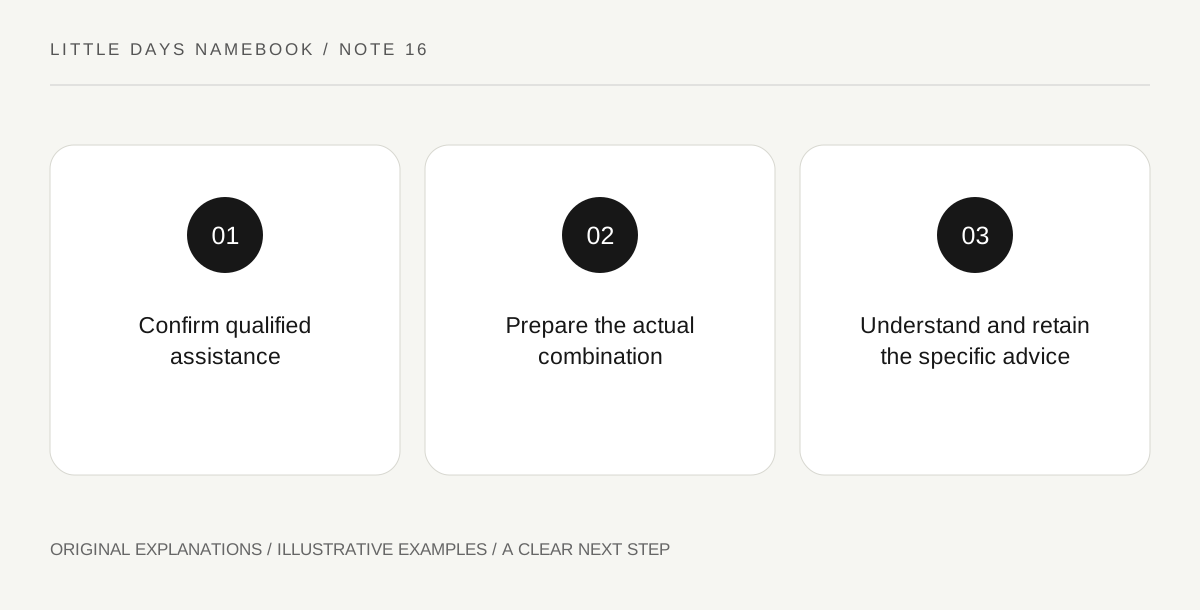
Care conversations3 min read
A useful car-seat appointment is a learning opportunity involving the seat, vehicle and responsible caregiver. Prepare the real combination and the questions you need answered instead of arriving with a generic internet diagram. The aim is appropriate assistance and understanding, with no remote installation instructions or assumption that one earlier check covers every later change.
Read the guide ↗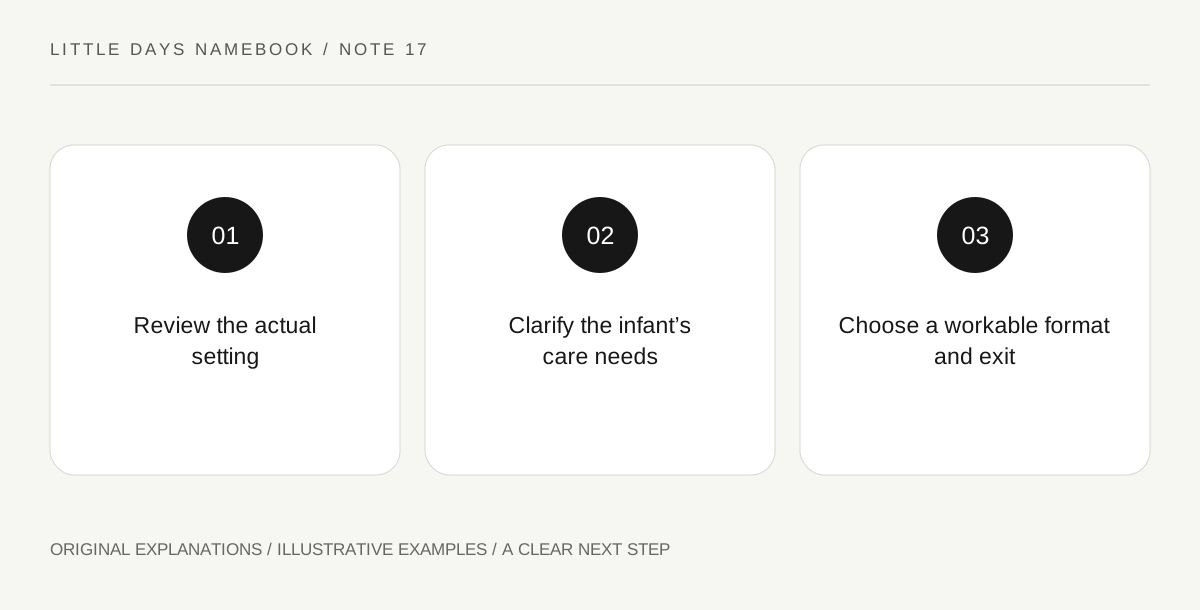
Everyday arrangements3 min read
An outdoor invitation can be enjoyable without requiring a baby to remain in a setting planned around adults’ tolerance of sun and heat. Review the actual shade, timing and ability to leave before accepting the format. The practical goal is an arrangement suited to the baby’s needs, with individualized care questions left to the clinician rather than improvised from a photograph of a canopy.
Read the guide ↗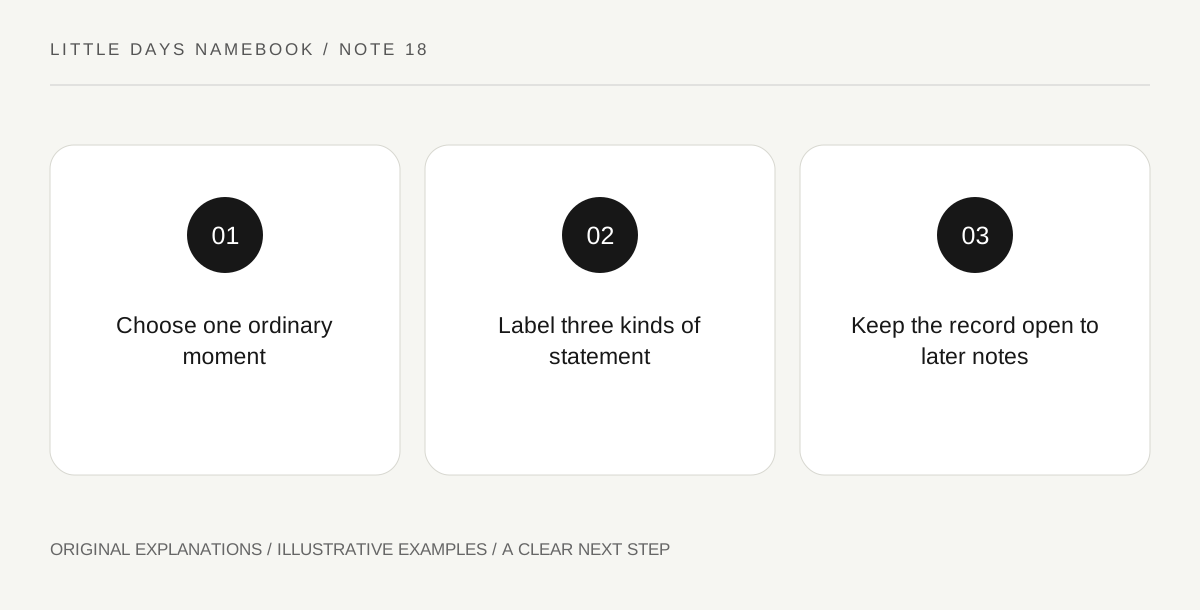
Names and stories3 min read
A family journal can preserve an ordinary moment without turning every page into a milestone report or a polished origin story. Use three labels: what you observed, what you remember later and what you hoped at the time. The distinction makes the record more honest and leaves the child room to understand their early life without being defined by the adults’ interpretations.
Read the guide ↗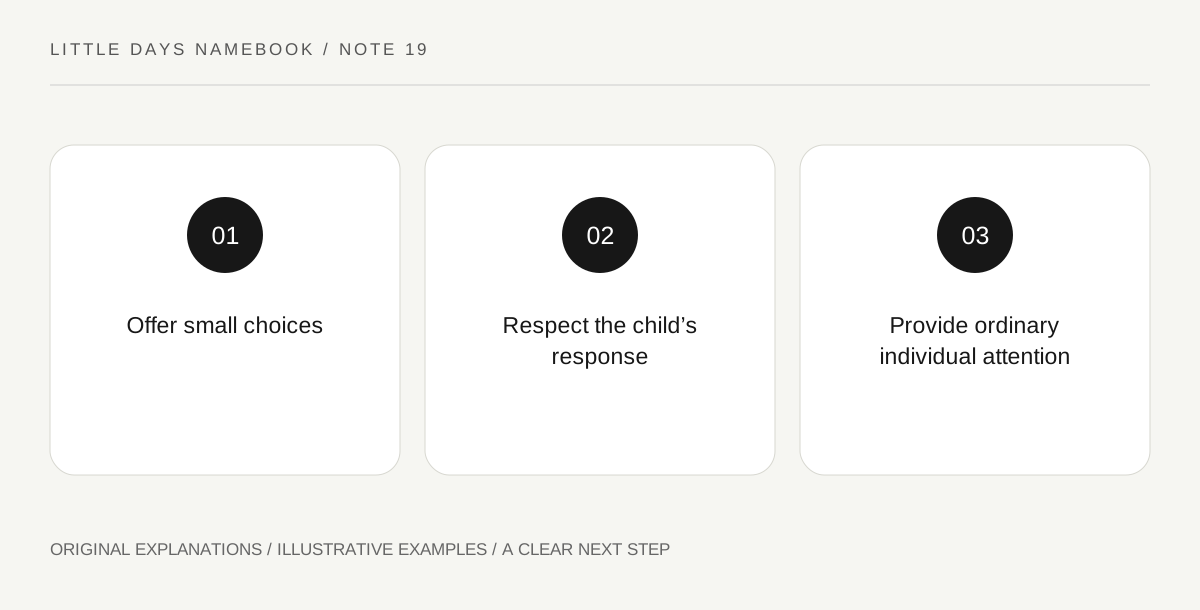
Everyday arrangements3 min read
An older child can be included in a baby’s arrival without being assigned a performance or caregiving responsibility they did not choose. Offer a few small optional roles and keep adult care duties with adults. The welcome can leave room for mixed feelings, ordinary play and attention to the older child’s own life.
Read the guide ↗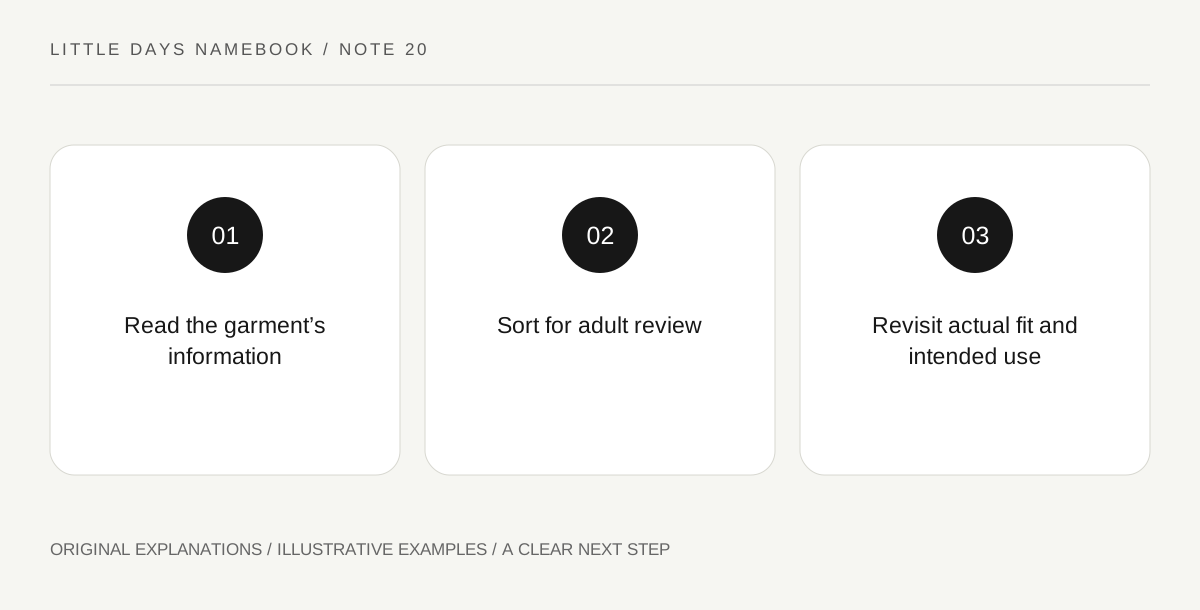
Everyday arrangements3 min read
A gift labeled with an age can feel like an appointment the baby is expected to meet. Treat the label as product information to investigate, not a growth deadline. A simple current, later and ask arrangement keeps gifts visible while leaving actual fit, intended use and care directions with the garment and responsible adults.
Read the guide ↗